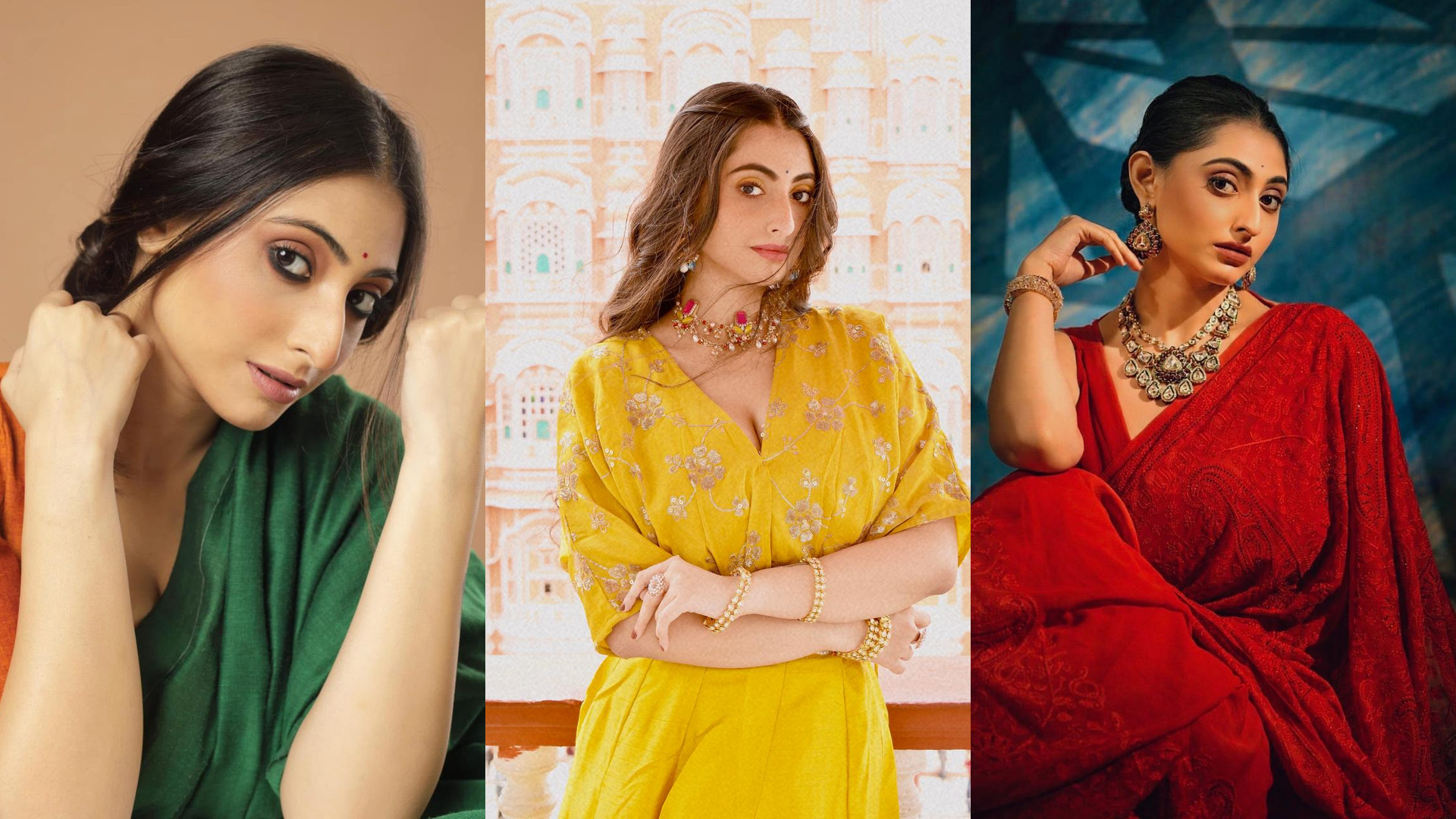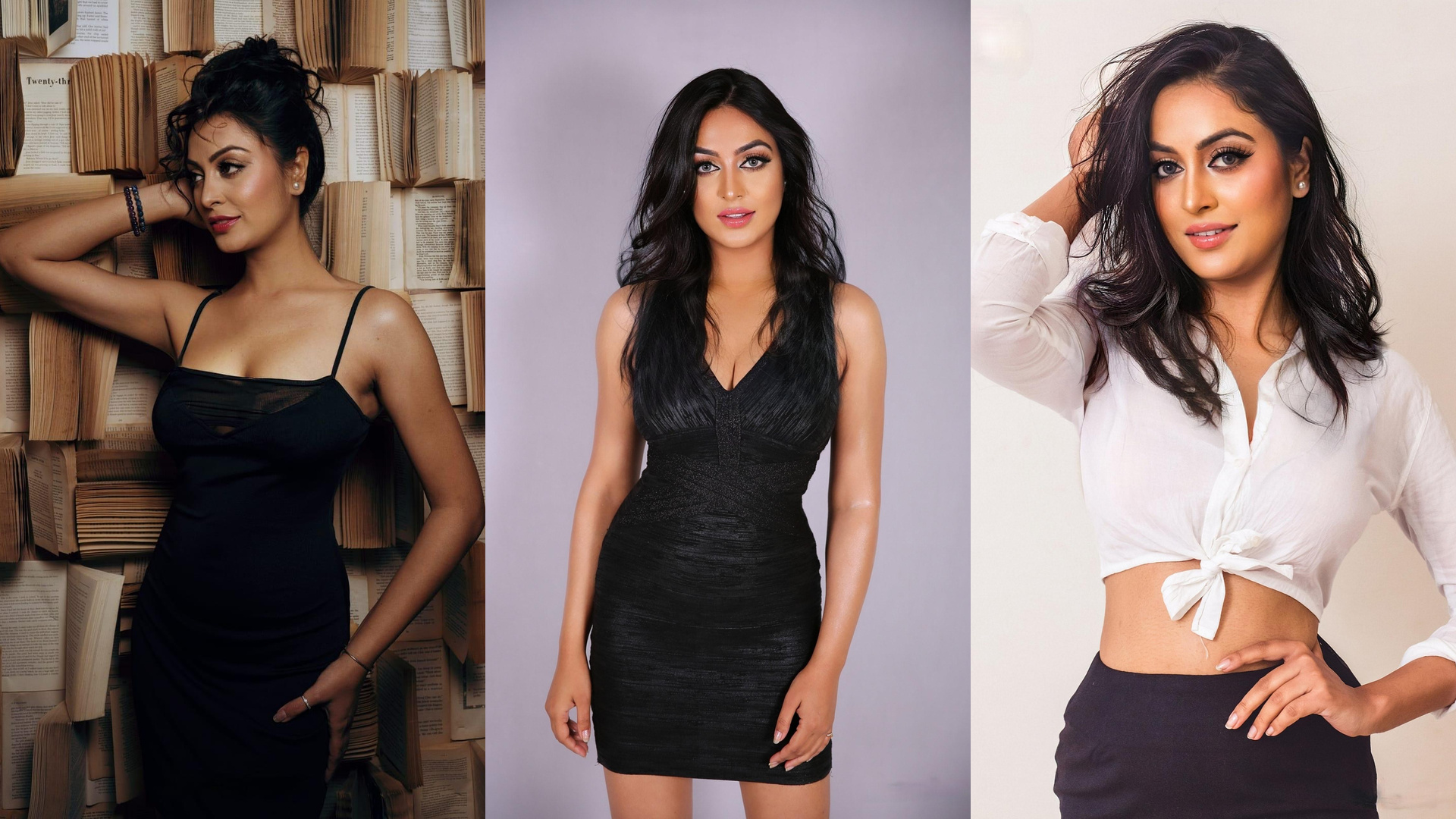


Subhayan Ghosh Interview: The Fashion Photographer Who Turned Passion into a Profession
In this BalleBolly Magazine interview, fashion, editorial and commercial photographer Subhayan Ghosh talks about his journey from hobbyist street photography to luxury campaigns. Subhayan Ghosh, named CSCP Photographer of the Year 2025, also shares how he plans a shoot, what makes jewellery look luxurious on camera, and his dreams for the next five years.
Meet Subhayan Ghosh
1. Welcome to BalleBolly Magazine, Subhayan! For readers meeting you for the first time, how would you introduce yourself and your work?
I am a professional fashion, editorial and commercial photographer. My work revolves around fashion, luxury, beauty, jewellery and editorial storytelling.
I believe photography is not merely about capturing an image. It is about creating an emotion, communicating an identity and presenting a vision. My journey has been driven by curiosity, creativity and a constant desire to push artistic boundaries.

2. Tell us a little about your growing-up years. Was there any early moment when a camera or a photograph first caught your attention?
I have always been fascinated by visual storytelling and the way photographs preserve emotions and moments. Initially, photography was simply a creative interest. Gradually, however, I became more and more conscious of light, composition, colours and human expressions. That curiosity eventually grew into a passion that shaped my professional journey.
Subhayan Ghosh’s Journey from Street Photography to a Profession
What the Streets Taught Him
3. You started as a hobbyist street photographer back in 2016. What did the streets teach you about light, people and storytelling?
Street photography was my foundation. It taught me to observe rather than simply look. I learned to anticipate moments, understand natural light and find extraordinary stories in ordinary situations. Most importantly, it taught me patience and the ability to work with unpredictable circumstances.
Why Subhayan Ghosh Left the Corporate World
4. You were working in the corporate world before you made photography your full-time career in 2022. What finally made you take that leap?
There comes a point when passion becomes stronger than the comfort of security. I realised that photography was not something I wanted to pursue alongside my career. Instead, it was something I wanted to build my life around. So, in 2022, I decided to take that leap and give my creative ambition a professional direction.
5. How did your family and friends react when you left a stable corporate job to follow photography?
Like any unconventional career decision, it came with questions and concerns. After all, leaving a stable profession for a creative field is never an easy decision. Still, my parents supported my decision and stood by me.
I also believe conviction is important when you pursue something meaningful. Over time, seeing my dedication and progress helped people understand that this was a serious career choice, not just a passing passion.

Learning at CSCP and the First Paid Assignment
6. You completed your Diploma in Photography at the Calcutta School of Contemporary Photography in 2023, under the guidance of Mr. Sounak Banerjee. What was the most valuable lesson you learned from him?
One of the most valuable lessons was to develop an individual photographic vision rather than simply imitate existing styles. Technical knowledge is important. However, understanding light, composition, visual language and the intention behind an image is what makes a photographer. My time at CSCP helped me approach photography with greater discipline and artistic understanding.
7. Do you remember your first paid assignment? What was that experience like?
My first paid assignment was an important milestone, because it turned photography from a personal passion into a professional responsibility. It taught me that working for a client involves much more than taking good photographs. Understanding expectations, delivering consistently and maintaining professionalism are equally important.
Subhayan Ghosh on Fashion, Luxury and Beauty Photography
Fashion Campaigns and Jewellery
8. Your work spans fashion campaigns, luxury, beauty, jewellery, pageants, editorials and celebrity shoots. Which of these feels closest to your heart, and why?
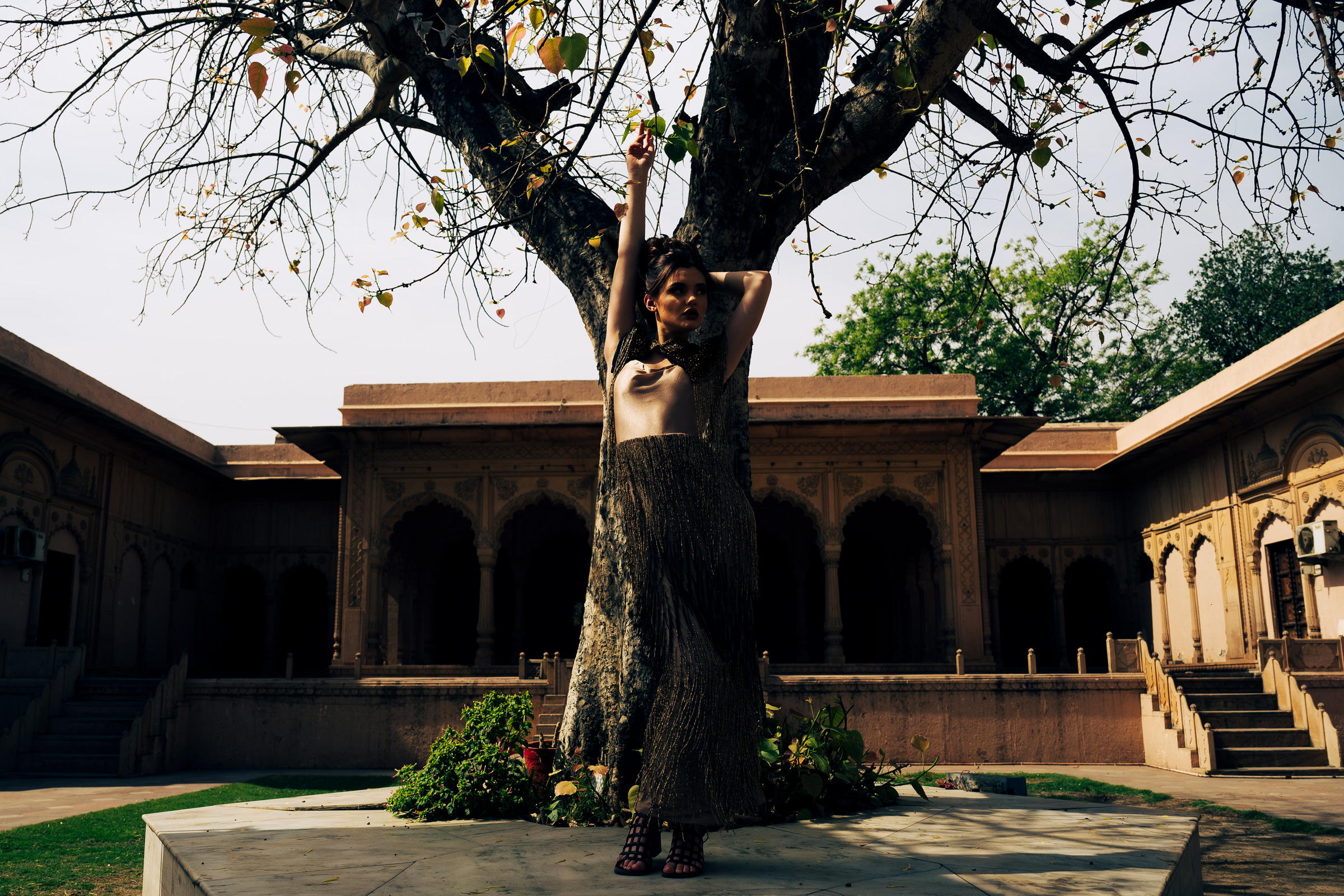
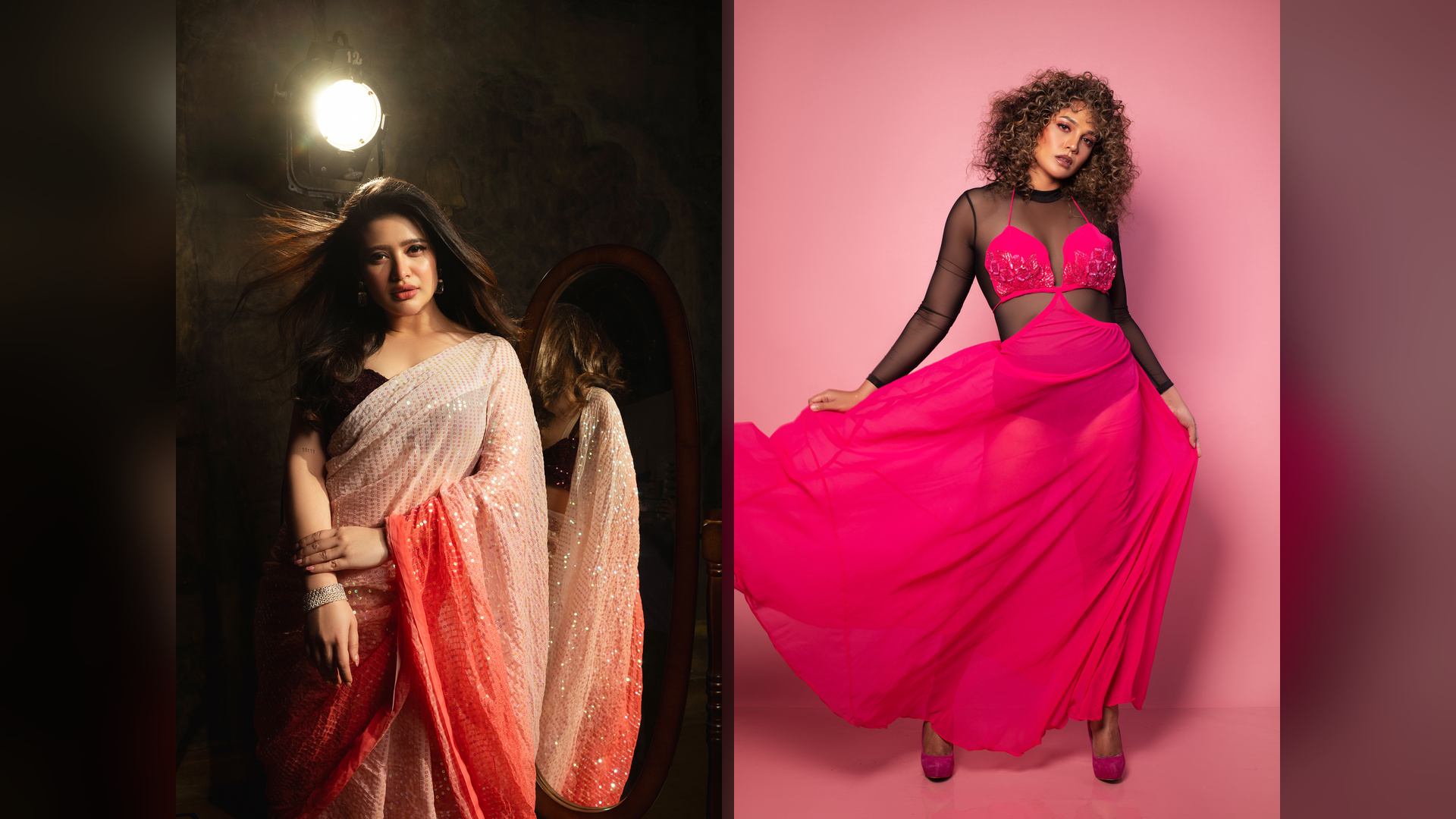
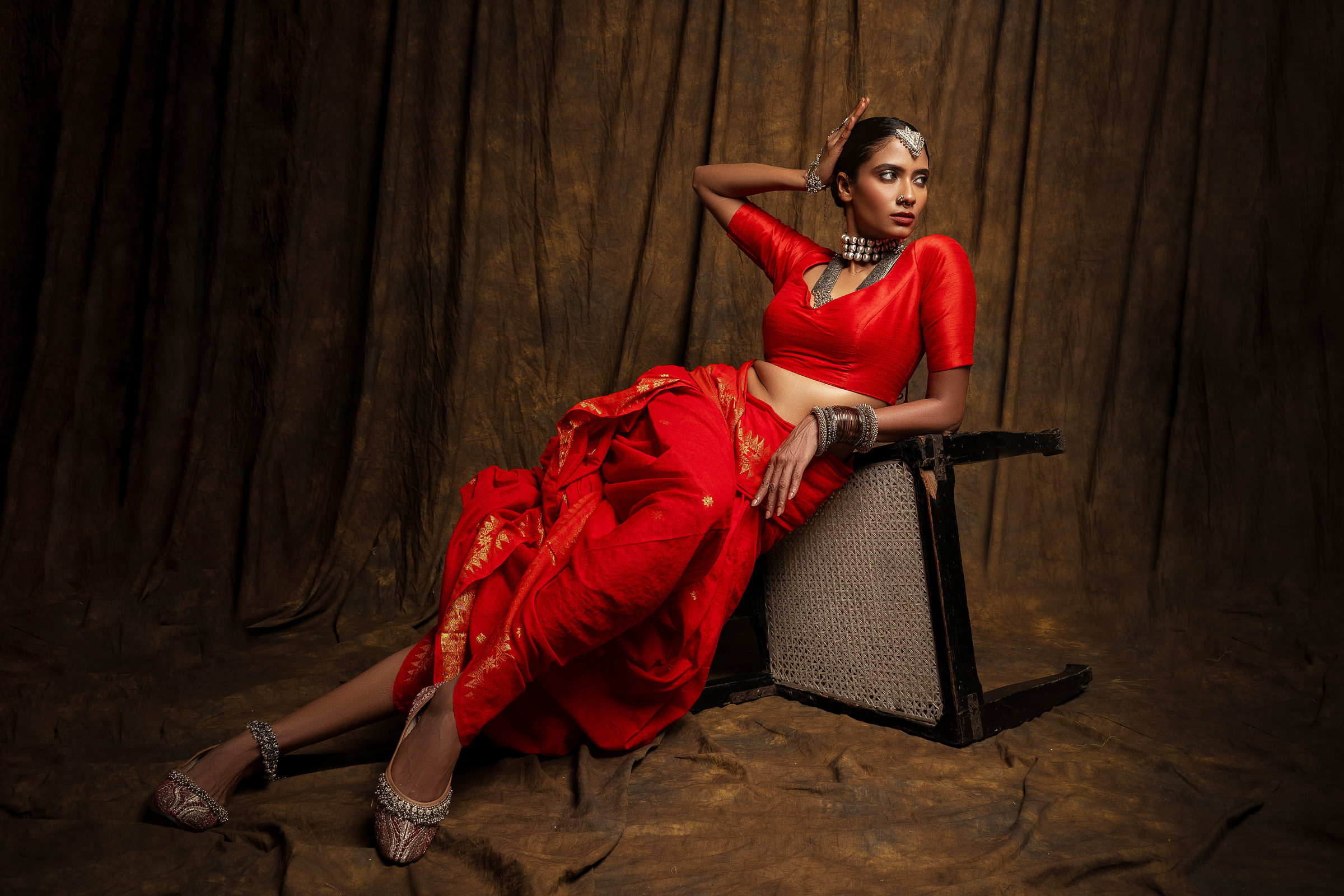
Fashion and luxury editorials are particularly close to my heart. They offer tremendous creative freedom through styling, lighting, expressions and storytelling. Rather than simply documenting fashion, I enjoy creating images that feel timeless, sophisticated and visually distinctive.
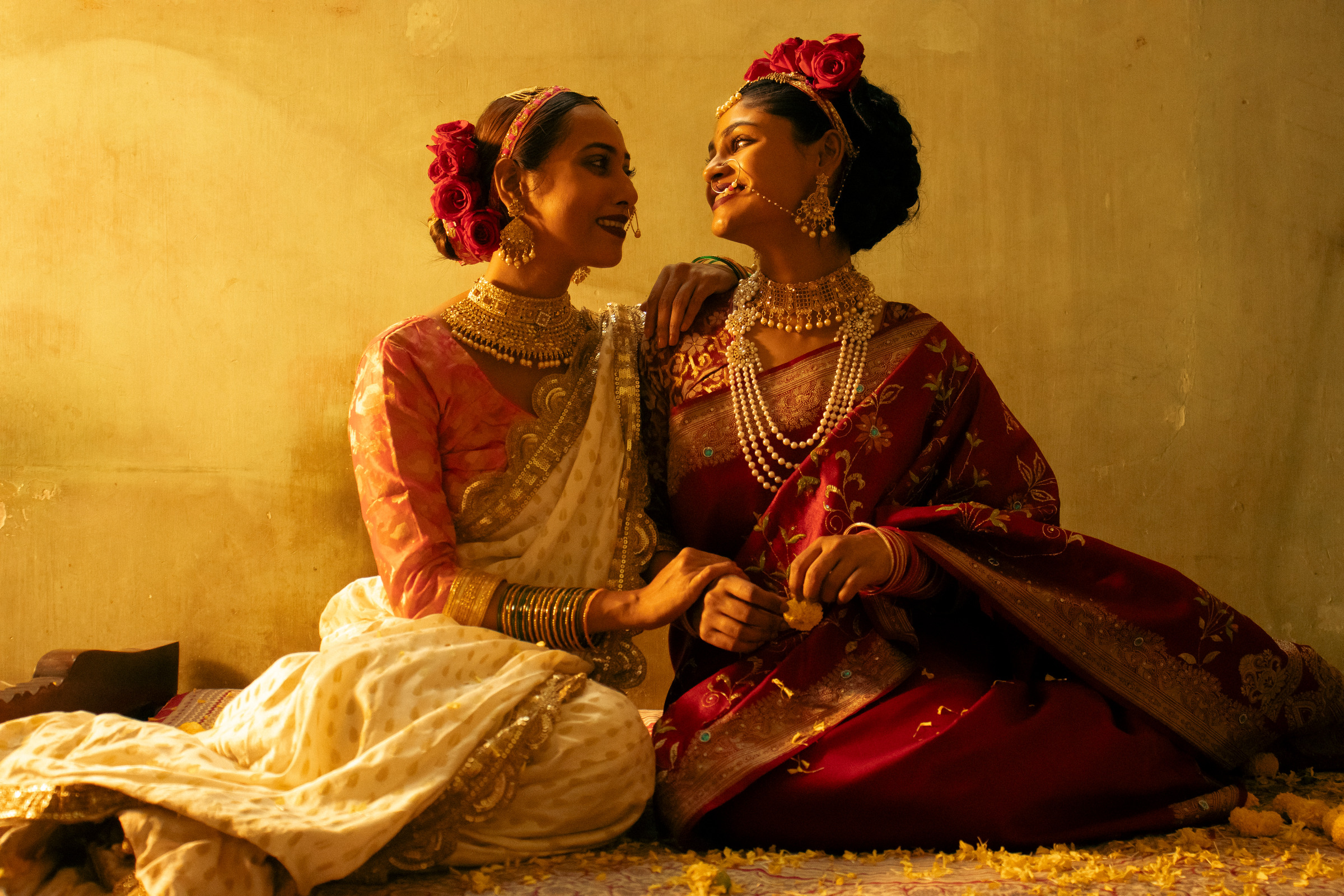
9. How do you plan a fashion campaign shoot, from the first brief to the final image?
Every successful campaign begins with a clear visual concept. First, I understand the brand’s identity, target audience and creative brief. Then I work on mood boards, location, lighting, styling, models and composition.
During the shoot, I focus on translating the concept into compelling frames. Finally, post-production completes the process while staying true to the original creative vision.
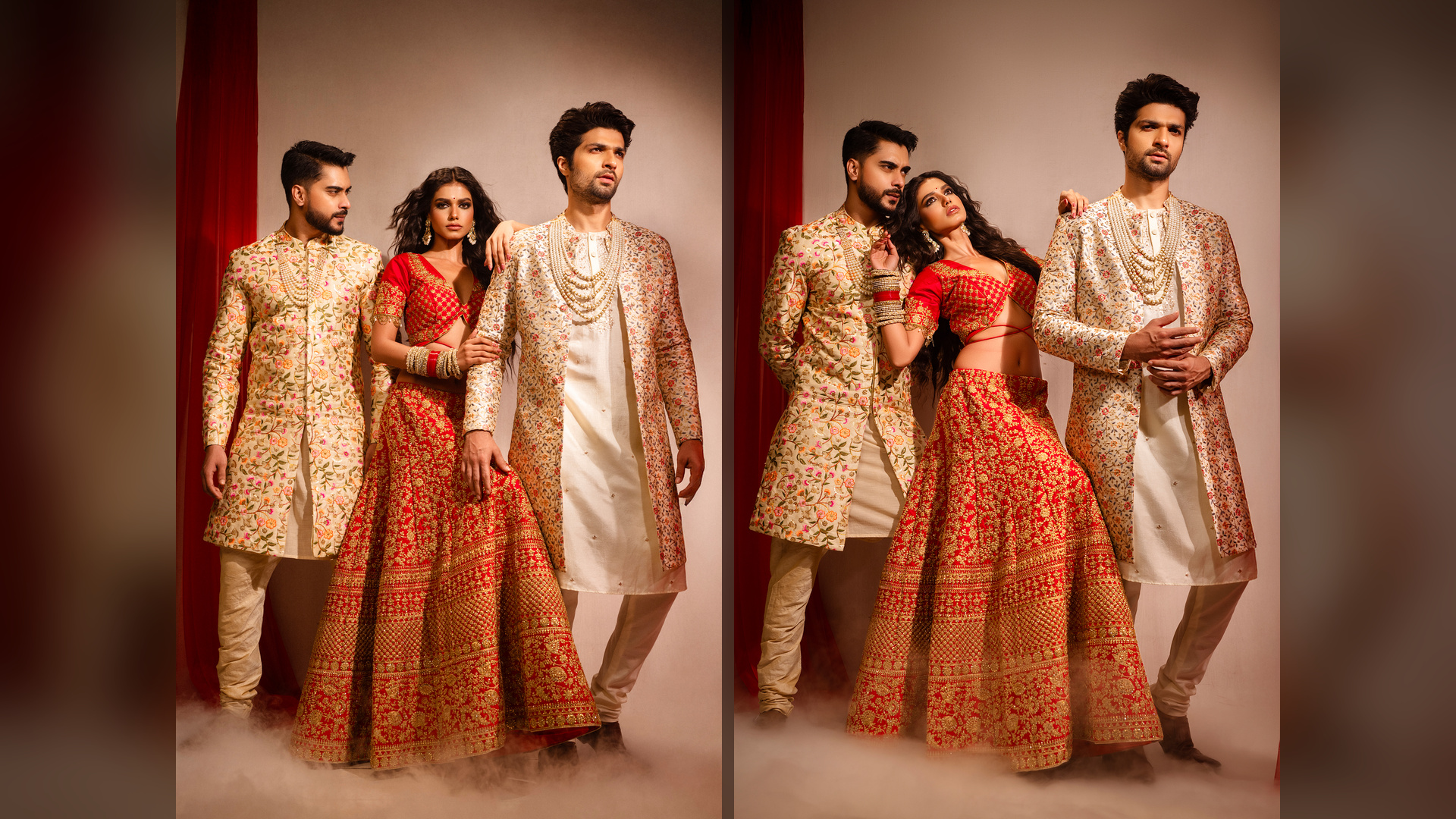
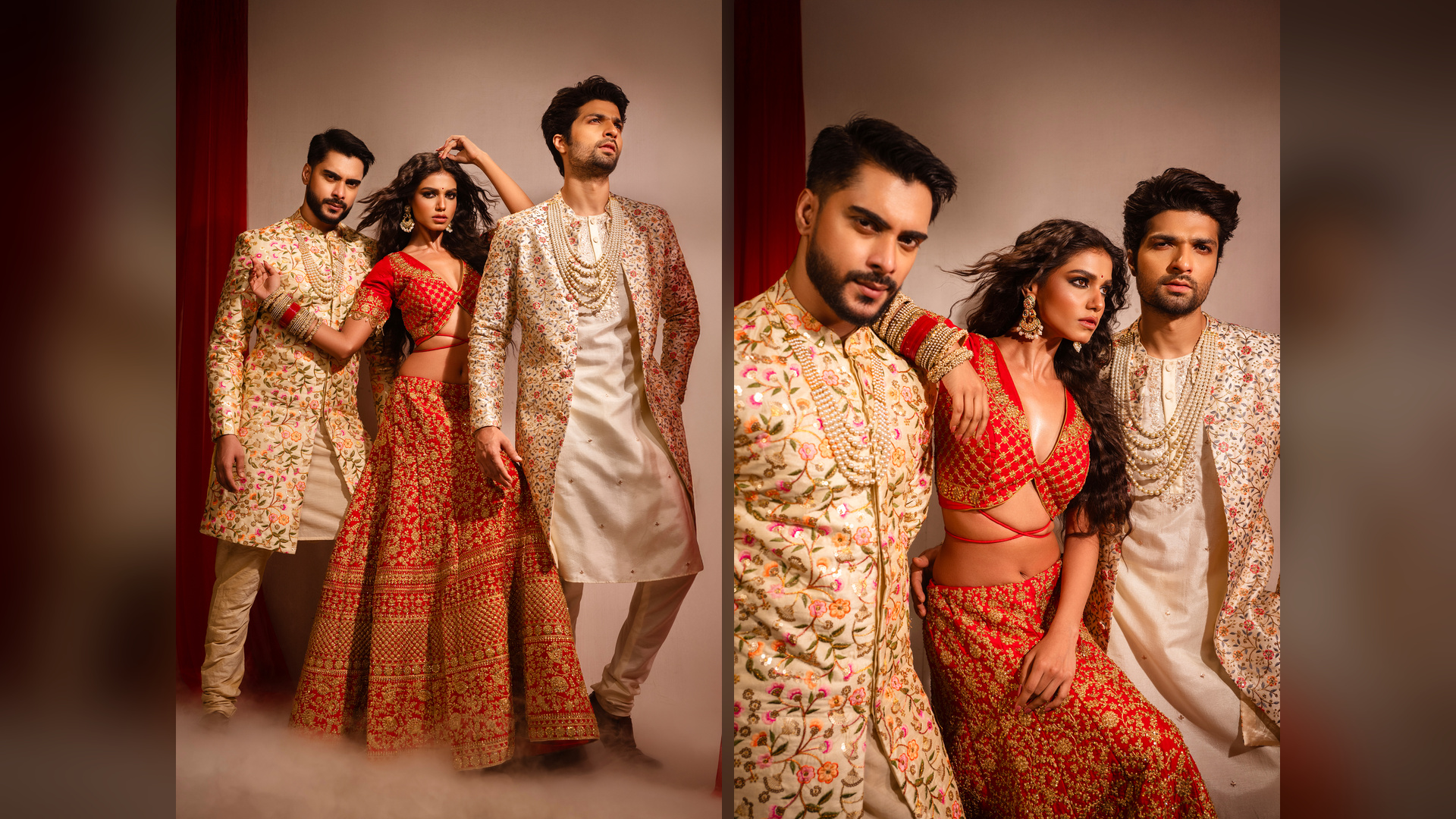
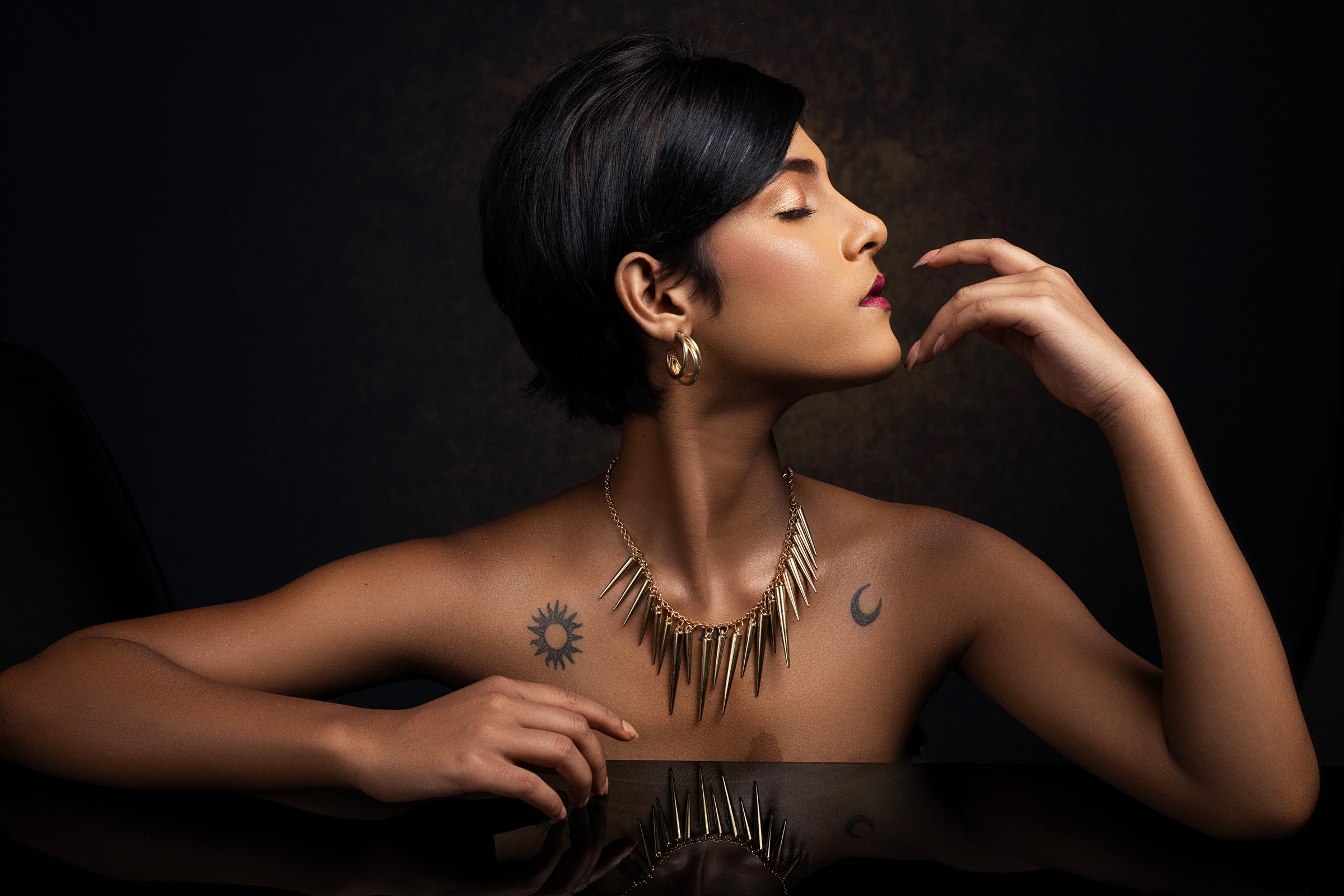
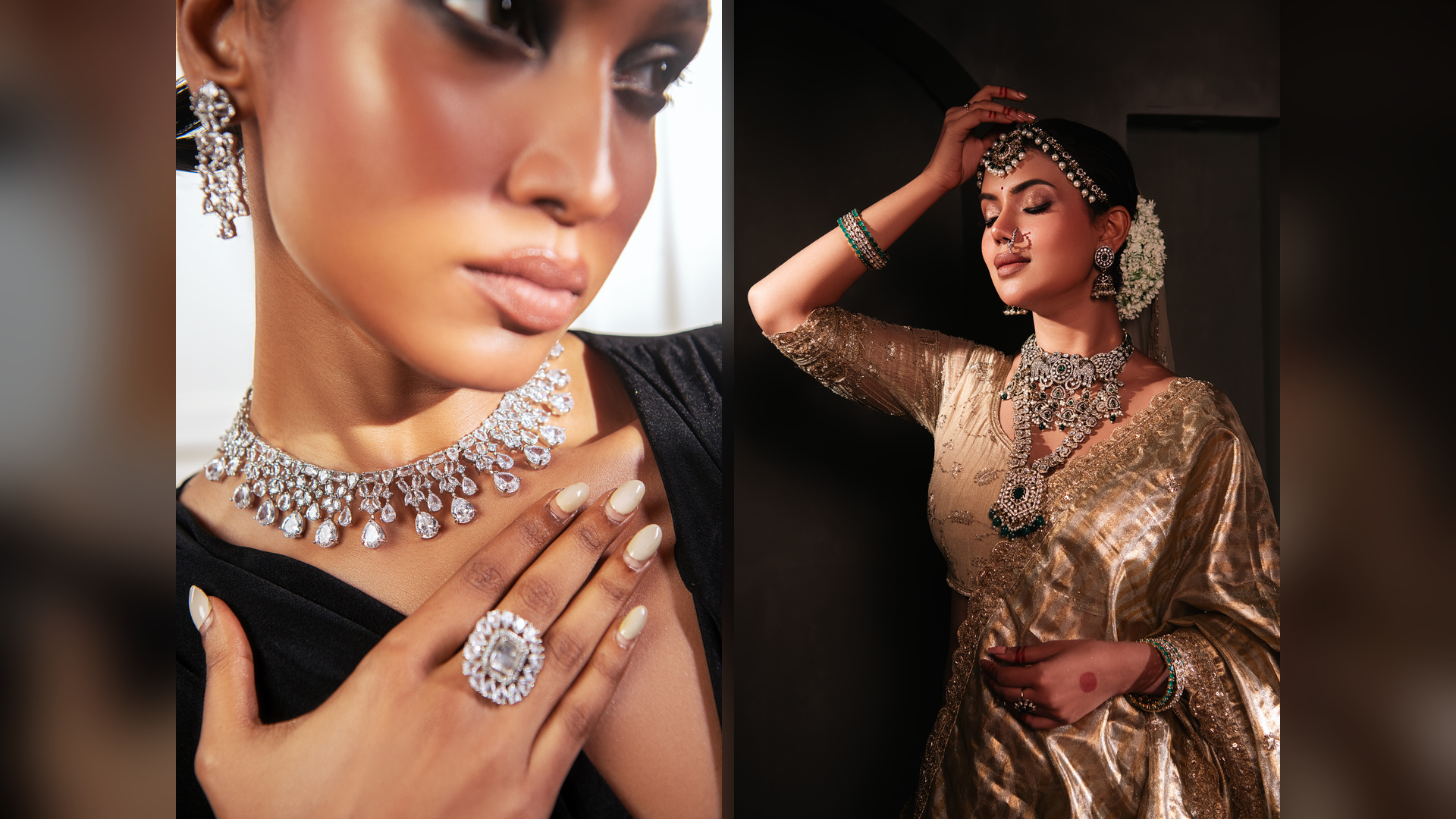
10. Jewellery and beauty photography demand a lot of precision. What goes into making a small product look luxurious on camera?
Luxury is often found in the smallest details. Lighting, reflections, textures, colour accuracy and precise composition are crucial. Jewellery photography, in particular, requires meticulous control over highlights and shadows to reveal the product’s craftsmanship. The objective is to make the viewer appreciate not just the product, but also the luxury associated with it.


Brands, Pageants and Celebrities
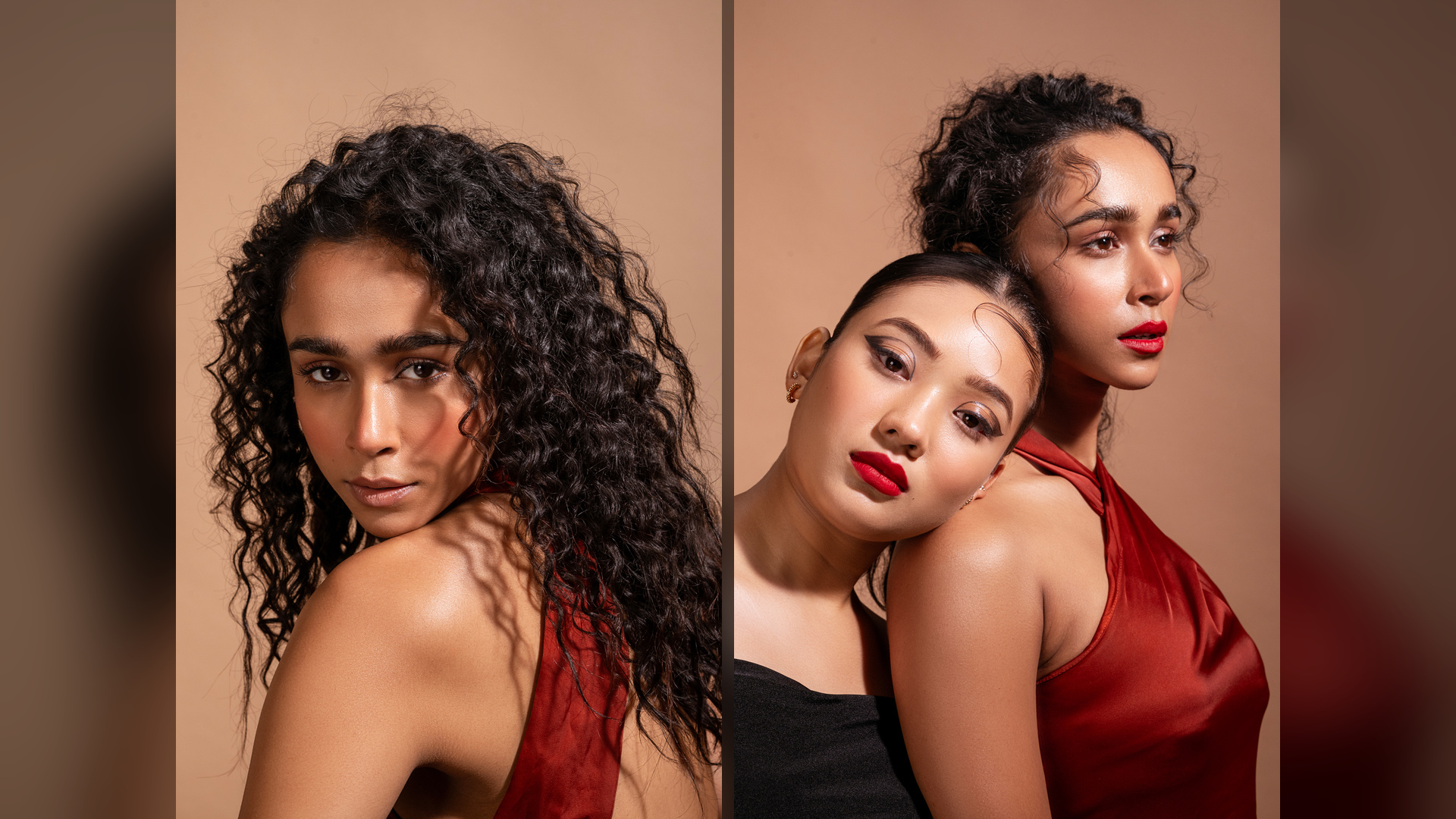
11. You have shot for brands like Lenskart, Caprese and Cult. What does it take to meet a big brand’s expectations while keeping your own style?
Understanding the brand comes first. Every brand has a distinct identity, communication strategy and visual language. My responsibility is to interpret that identity photographically while bringing my own creative perspective to the assignment. To me, professionalism lies in balancing creative individuality with the client’s objectives.

12. You were the official photographer for Haut Monde Mrs India Worldwide Season 13 in Dubai. How was that experience, and what is different about shooting pageant contestants compared to professional models?
It was a wonderful professional experience and an opportunity to work on an international platform in Dubai. Pageant photography requires a combination of fashion, portraiture and event photography.
Unlike professional models, pageant contestants may have different levels of experience in front of the camera. Therefore, understanding their personalities, building their confidence and capturing their individuality are equally important.


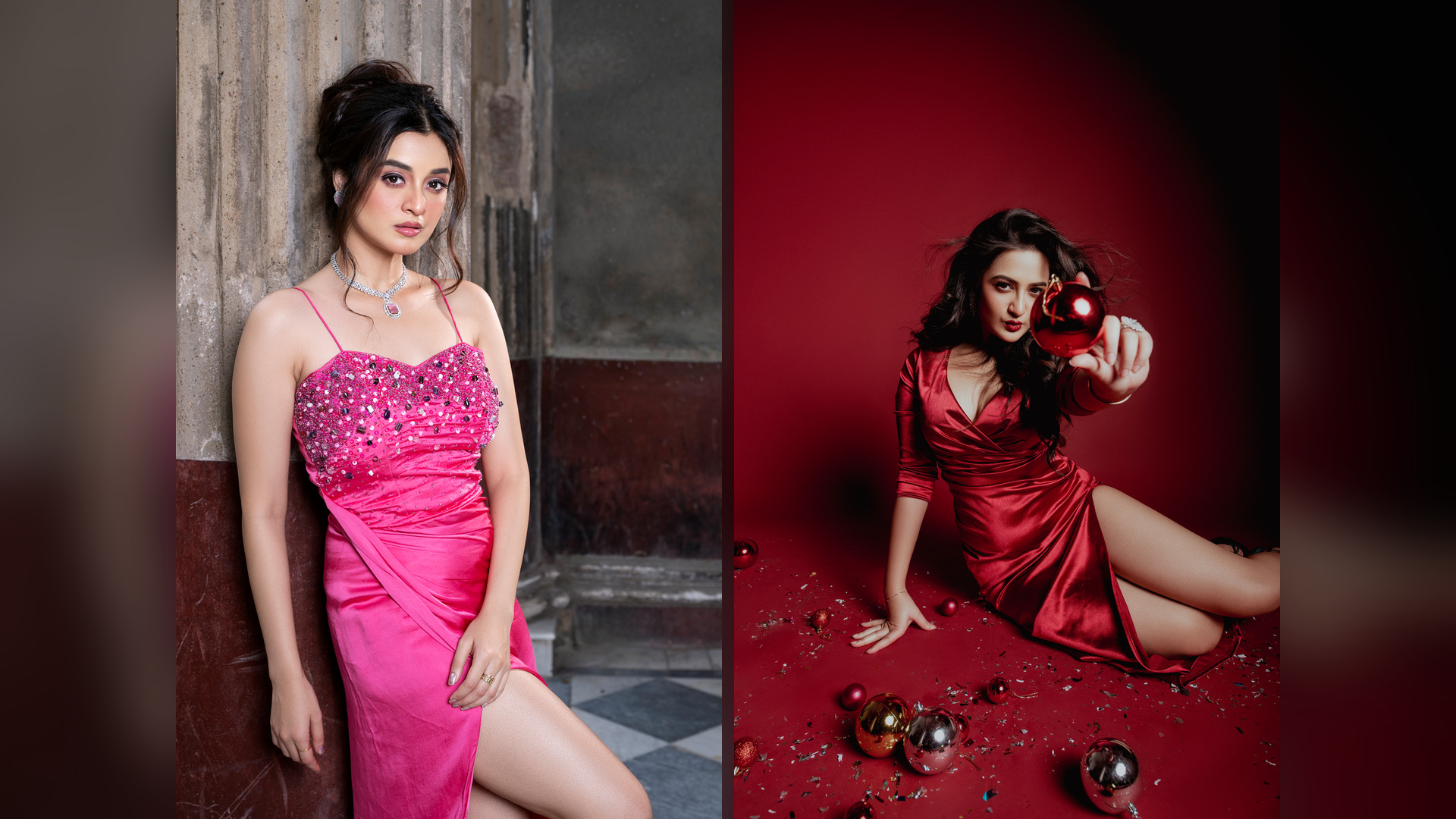
13. When you shoot celebrities, how do you make them comfortable in front of your camera in a short time?
I believe confidence and communication are essential. I try to create a comfortable atmosphere, understand the subject’s personality and communicate my vision clearly. A photographer must know when to direct and when to let the subject express themselves naturally. In fact, the best portraits often happen when the camera almost becomes invisible.
Subhayan Ghosh’s Craft and Creativity
His Style and Favourite Shoot
14. How would you describe your photography style in three words?
Cinematic. Elegant. Timeless.
15. Which shoot of yours is your personal favourite so far, and what is the story behind it?
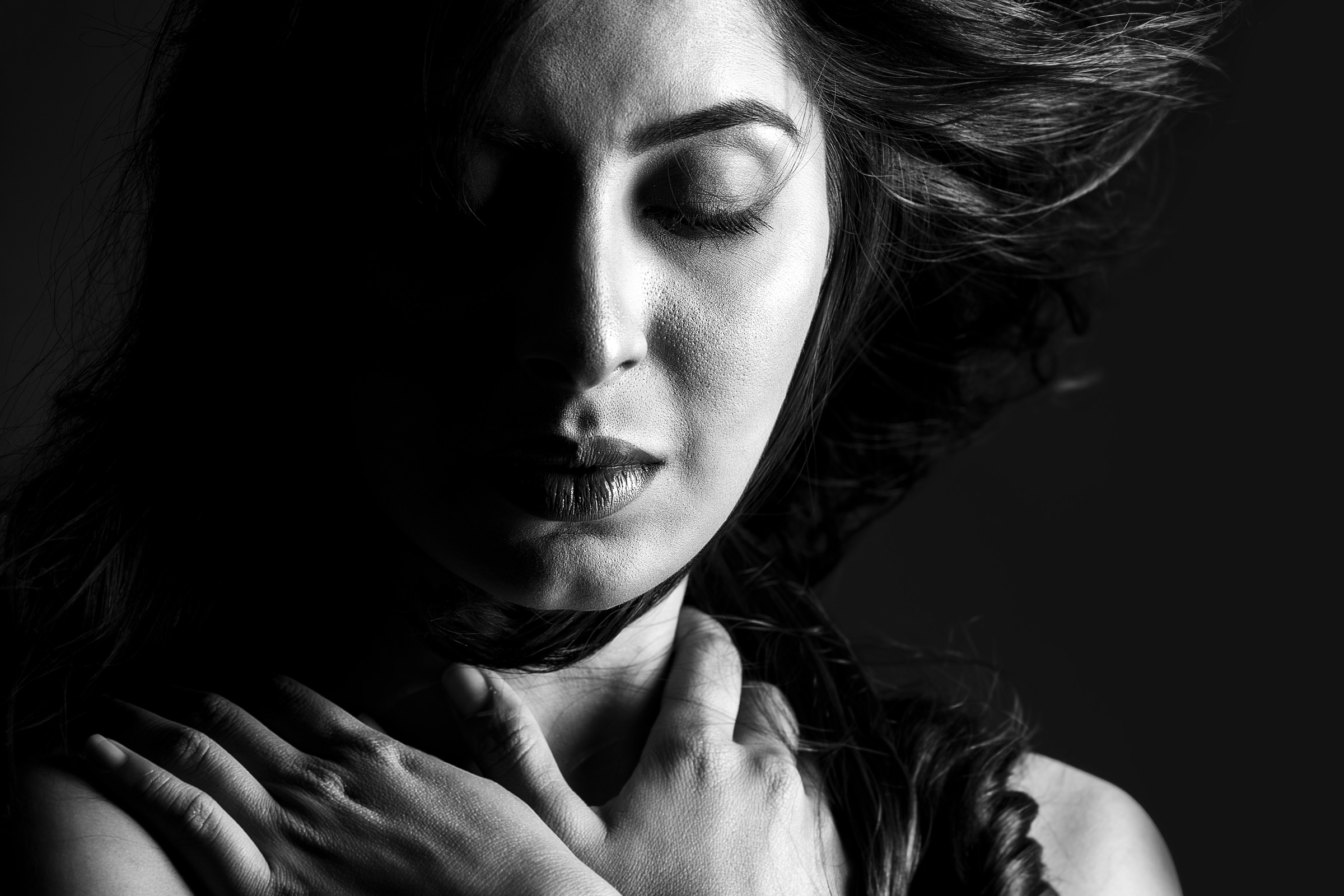
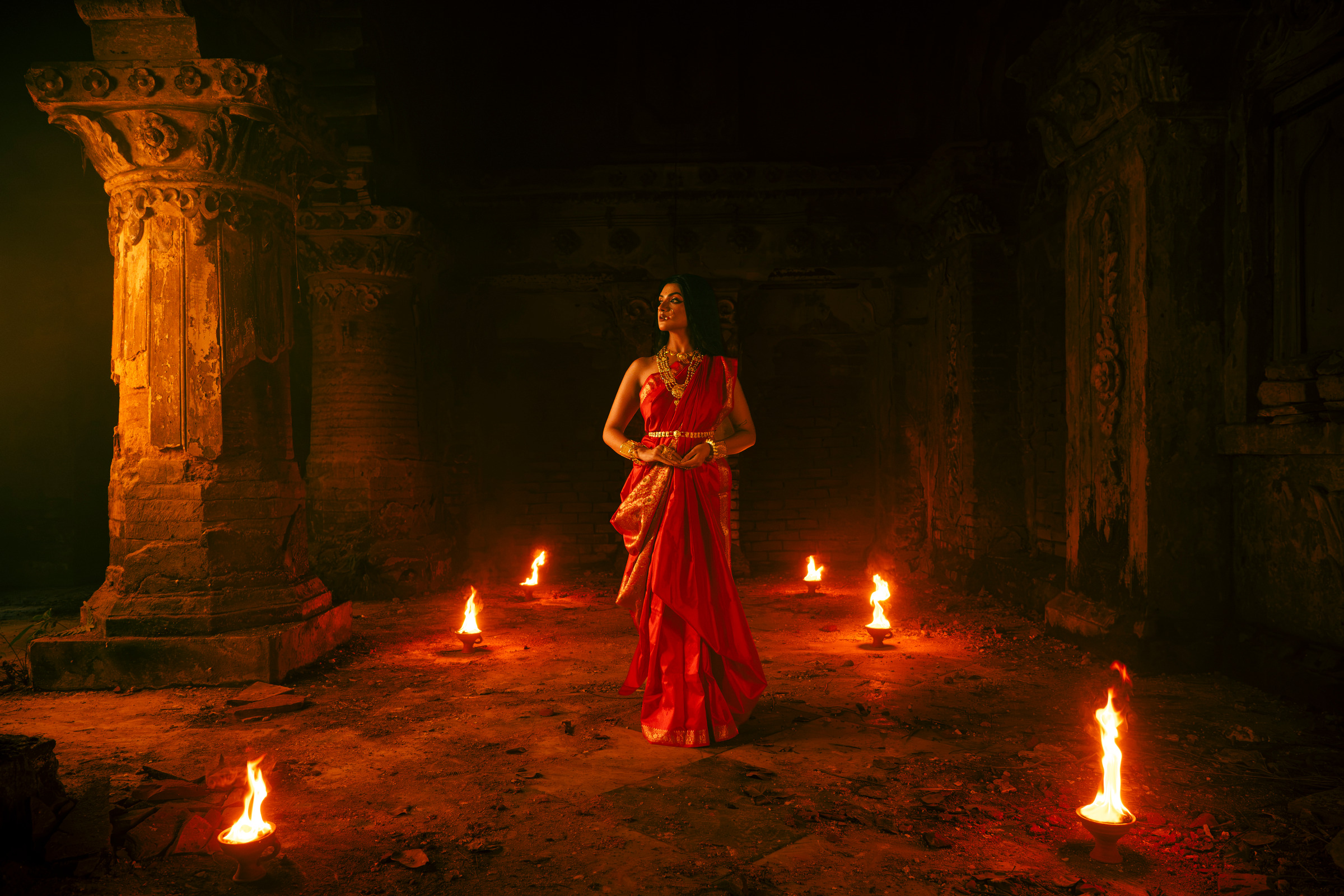
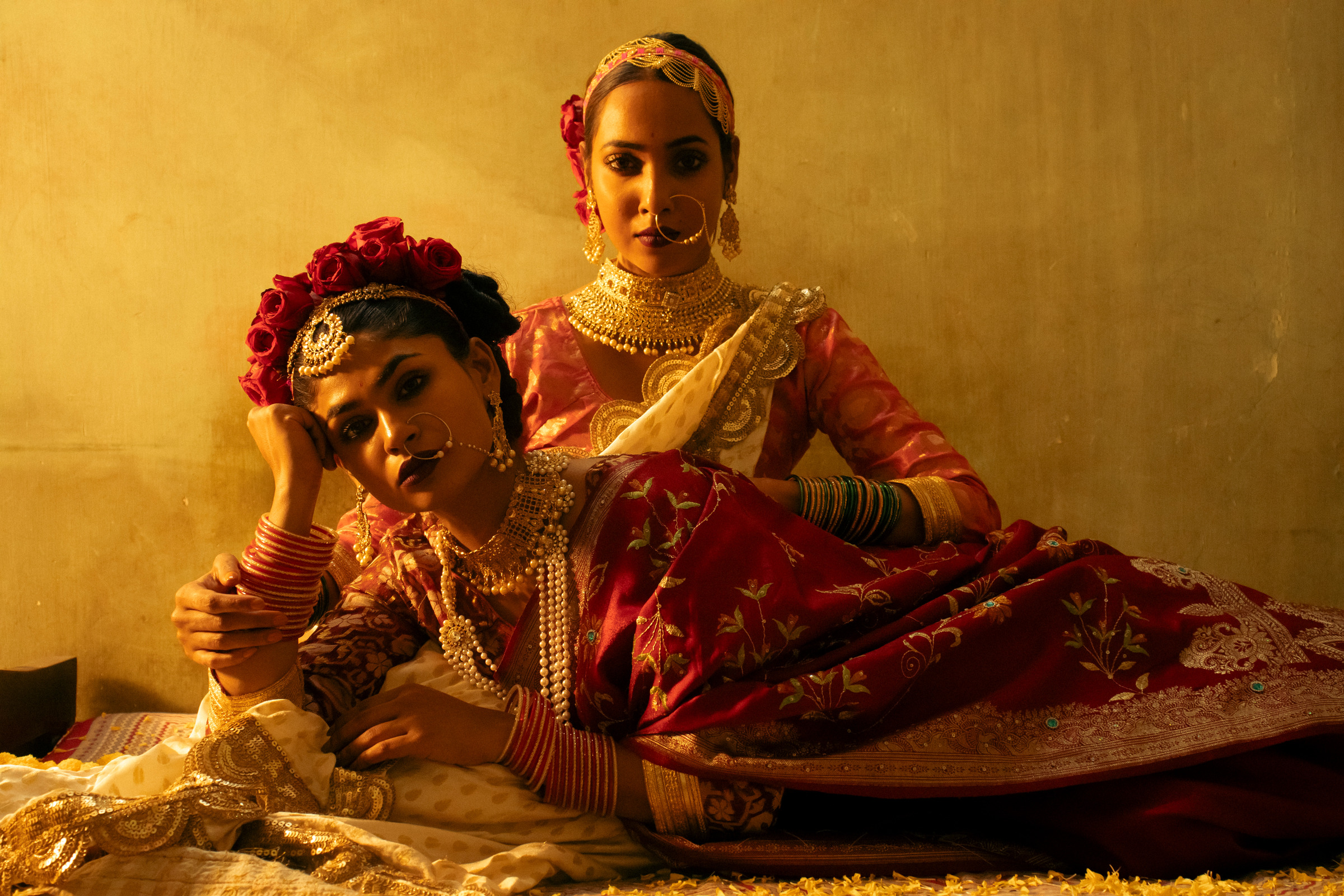
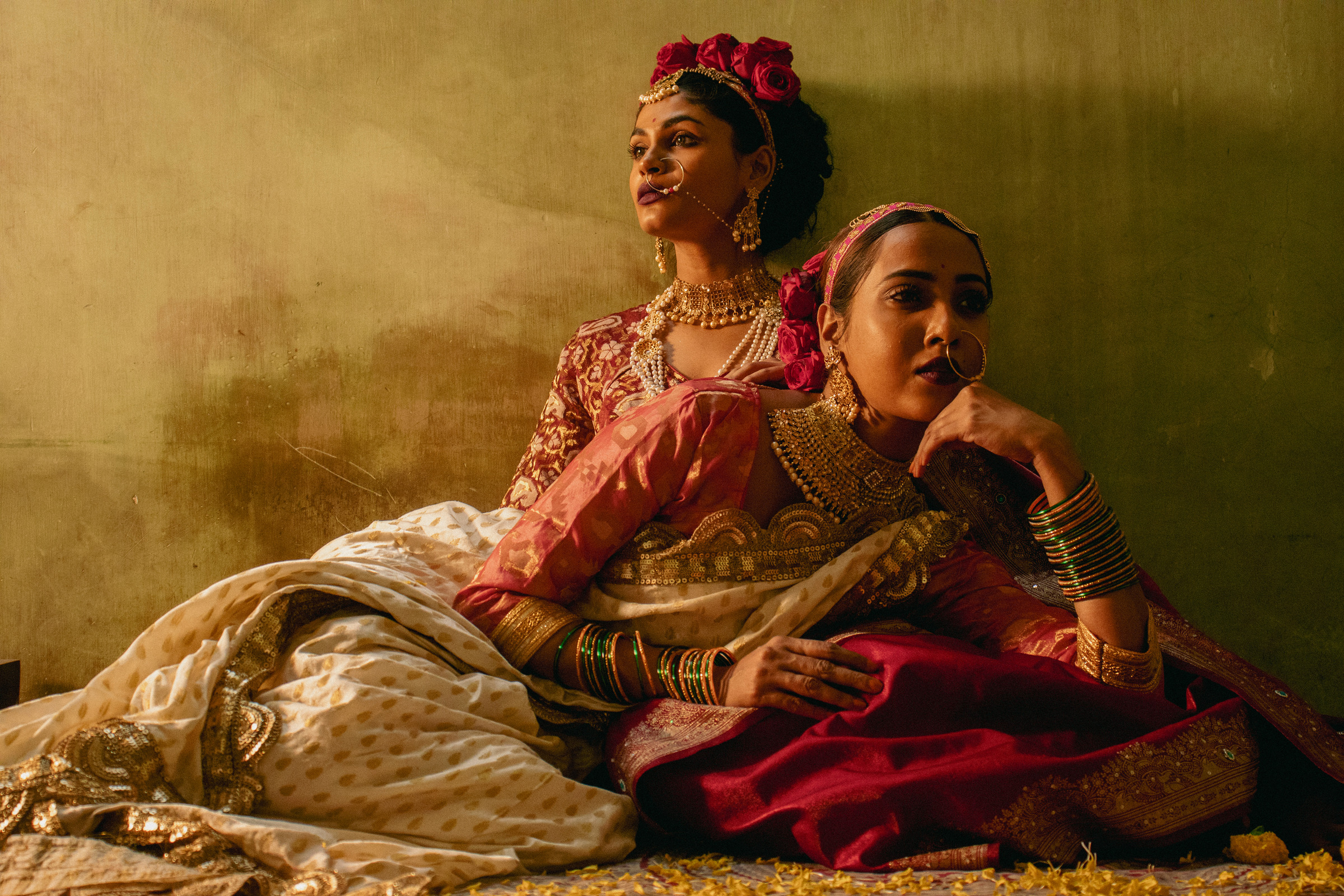
I find it difficult to choose just one, because every project represents a different creative experience. However, heritage-inspired luxury fashion editorials hold a special place in my portfolio. I particularly enjoy combining traditional aesthetics with contemporary fashion storytelling to create something visually rich yet timeless.

Subhayan Ghosh’s Exhibitions, Features and Awards
16. Your work was selected for the “CSCP India Illustrated” exhibition at Museo Camera, Gurugram, and you have been featured in Asian Photography Magazine and Zee News. Which of these moments made you feel proudest, and why?
Being selected for CSCP India Illustrated at Museo Camera was particularly special. It represented recognition of my photographic vision within a curated exhibition space. Being featured in Asian Photography Magazine and Zee News was equally encouraging. Each recognition reminds me that creative work can travel beyond geographical boundaries.
17. You have won awards in India and abroad. Which awards are you proudest of, and what did they mean to you?
Being named CSCP Photographer of the Year 2025 is certainly one of my proudest achievements. I am also grateful to have received several international gold, silver and bronze medals from countries including Singapore, Montenegro, Cyprus, Macedonia and Romania. These recognitions have strengthened my confidence and encouraged me to keep exploring new creative possibilities.


Gear and Post-Production
18. What gear do you rely on most, and do you think gear matters as much as people believe?
Equipment is important, but it is not the defining factor behind a great photograph. Understanding light, composition, perspective and storytelling matters much more. A good camera is a tool. The photographer’s vision determines how effectively that tool is used.
19. How important are editing and post-production in your work?
Post-production is an integral part of my creative process. It helps refine colours, enhance textures, establish mood and maintain visual consistency. However, editing should complement the photograph rather than overpower it. My preference is to create a strong image in-camera and then use post-production to realise its full potential.


Subhayan Ghosh on Life as a Creator
20. You now have over 84,000 followers on Instagram. How has social media changed the way photographers get work and build a name?
Social media has transformed the photography industry. It has made global visibility possible even for independent photographers working outside traditional fashion capitals. Instagram is not just a portfolio anymore. It is a platform for personal branding, networking and business development.
That said, building a sustainable career requires consistency, quality and professional relationships that go beyond follower counts.
21. What is the biggest challenge you face as an independent photographer today, and how do you deal with it?
The biggest challenge is maintaining creative consistency while managing the business side of photography. Independent photographers must be artists, entrepreneurs, marketers and project managers all at once. I approach this by continuously learning, strengthening professional relationships and focusing on delivering quality work.
A Few of His Favourites
22. Tell us about a few of your favourites, with a line or two on each:
Natural light or studio light, and why?
Both have their own character. Natural light offers authenticity and spontaneity, while studio lighting provides precision and creative control. I enjoy experimenting with both, depending on the visual narrative.
Colour or black and white, and why?
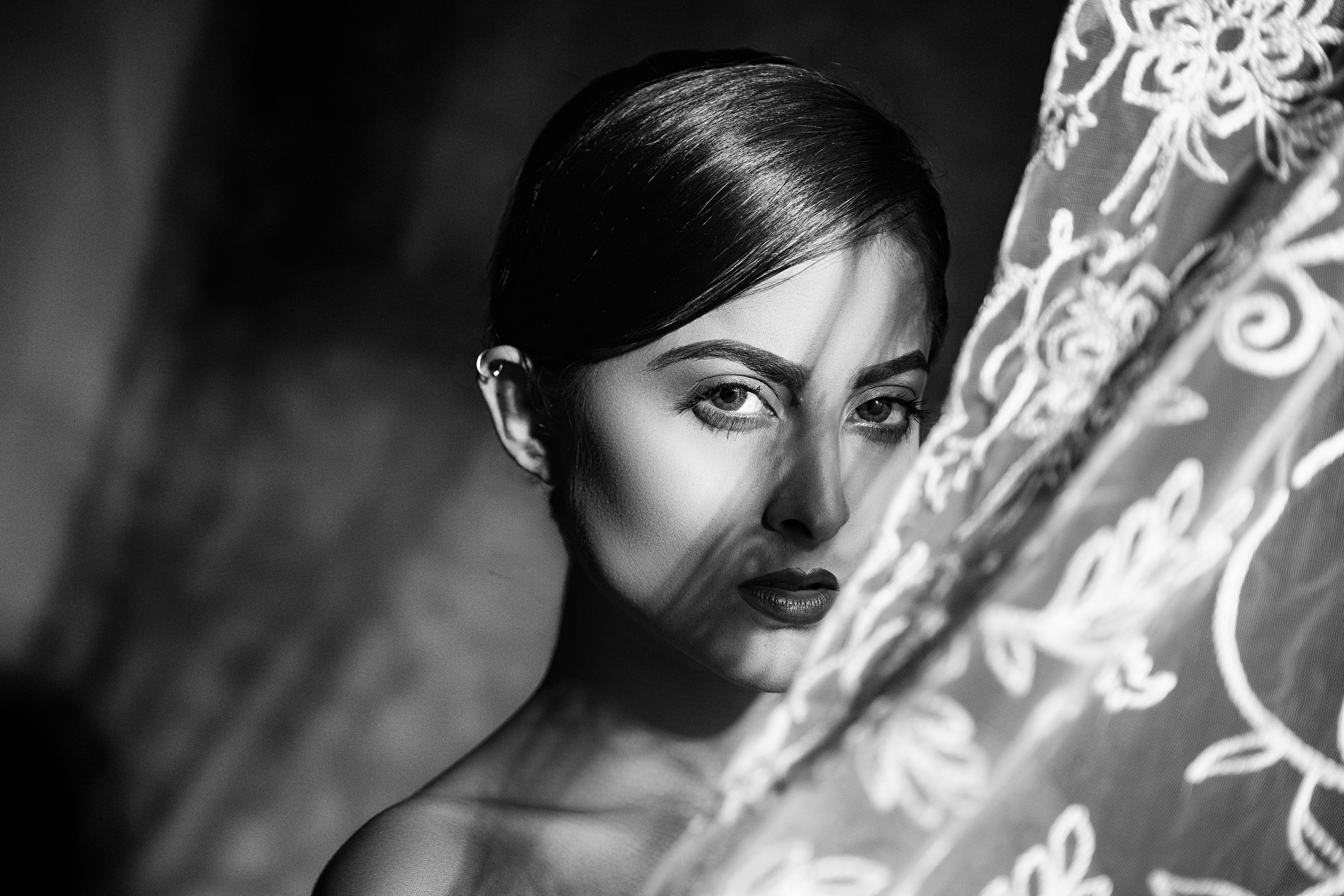
Colour communicates mood, richness and energy, while black and white draws attention to expressions, textures and composition. I appreciate both, but black and white has a timeless visual language that I particularly admire.
Your favourite lens, and what makes it special?
Portrait lenses fascinate me. They can isolate a subject, create beautiful depth and produce flattering perspectives, which makes them extremely versatile for fashion and portrait photography.
A photographer who inspires you, and what you admire in their work?
I deeply admire Peter Lindbergh for his timeless approach to fashion photography. His ability to celebrate natural beauty, imperfections and genuine human expressions, without relying too much on glamour, has always inspired me.
Your dream location for a shoot, and why?
Paris. Its architecture, heritage, streets and timeless fashion culture offer an extraordinary canvas for luxury editorial photography. I would love to create a cinematic fashion story there.
A celebrity you would love to photograph, and how you would shoot them?
Shah Rukh Khan. His personality, charisma and screen presence make him an extraordinary photographic subject. I would love to create a dramatic, cinematic black-and-white portrait series that captures both his iconic persona and his more intimate, understated expressions.

What’s Next for Subhayan Ghosh
23. What advice would you give young people who want to leave a regular job and make photography their career?
Follow your passion, but prepare for the profession. Develop your technical skills, build a strong portfolio, understand the business side and establish meaningful industry connections.
Do not leave a stable career merely because photography looks glamorous from the outside. Instead, make the transition with preparation, patience and conviction. Most importantly, never stop learning.
24. What are your plans and dreams for the next five years?
My vision is to establish myself as a recognised name in the international fashion and luxury photography industry. I want to collaborate with prestigious fashion houses, designers, publications and global brands, while creating a distinctive body of editorial work.
I also aspire to expand my creative ventures beyond photography. Ultimately, I want to build a body of work that is not just commercially successful but artistically enduring.
Thank You
Thank you, Subhayan Ghosh, for sharing your journey with BalleBolly Magazine. From the streets in 2016 to luxury campaigns and international awards, your story shows what passion, preparation and patience can achieve. We wish you all the very best for the international stage, and we hope to see that Shah Rukh Khan portrait series one day!
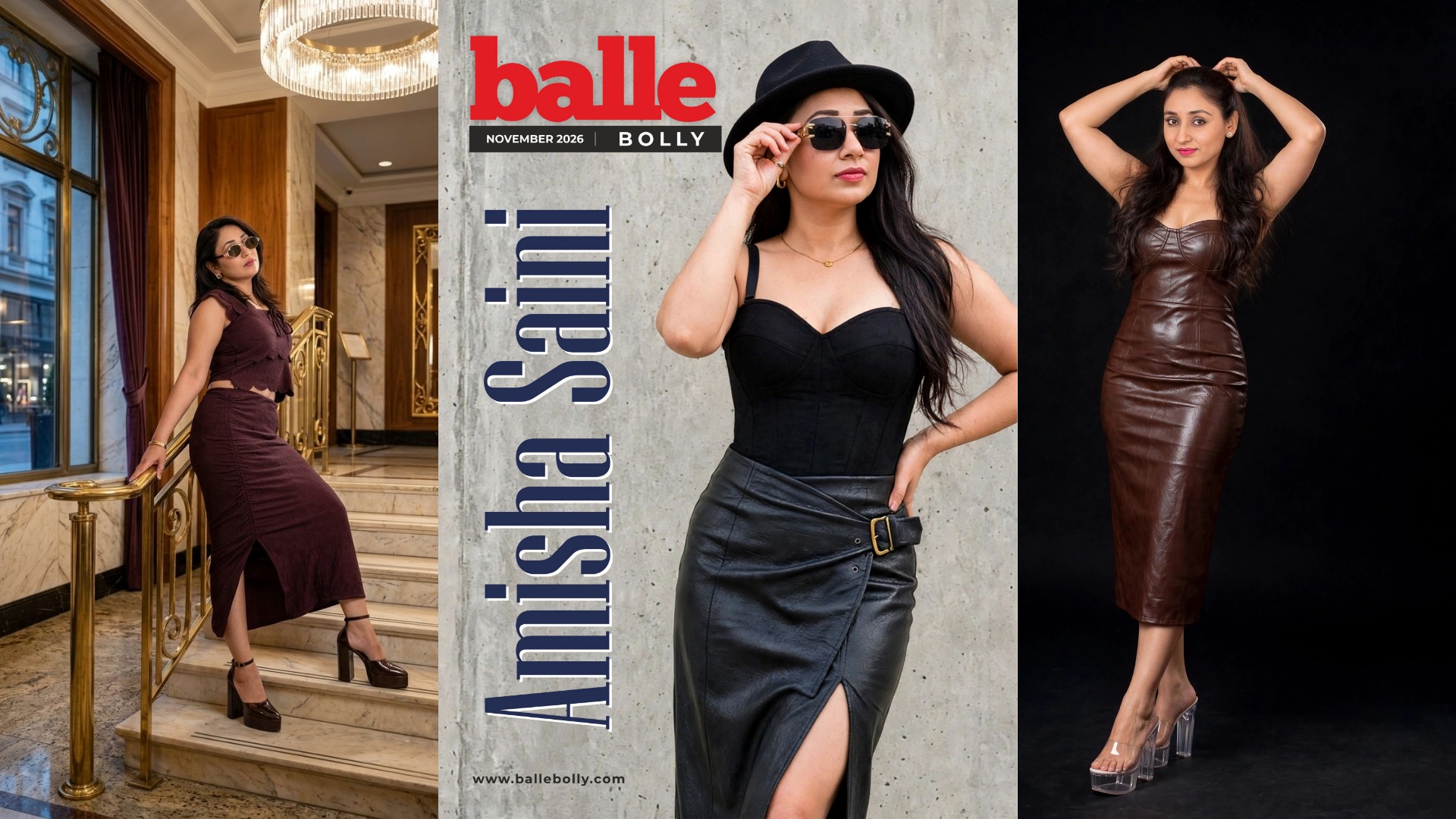
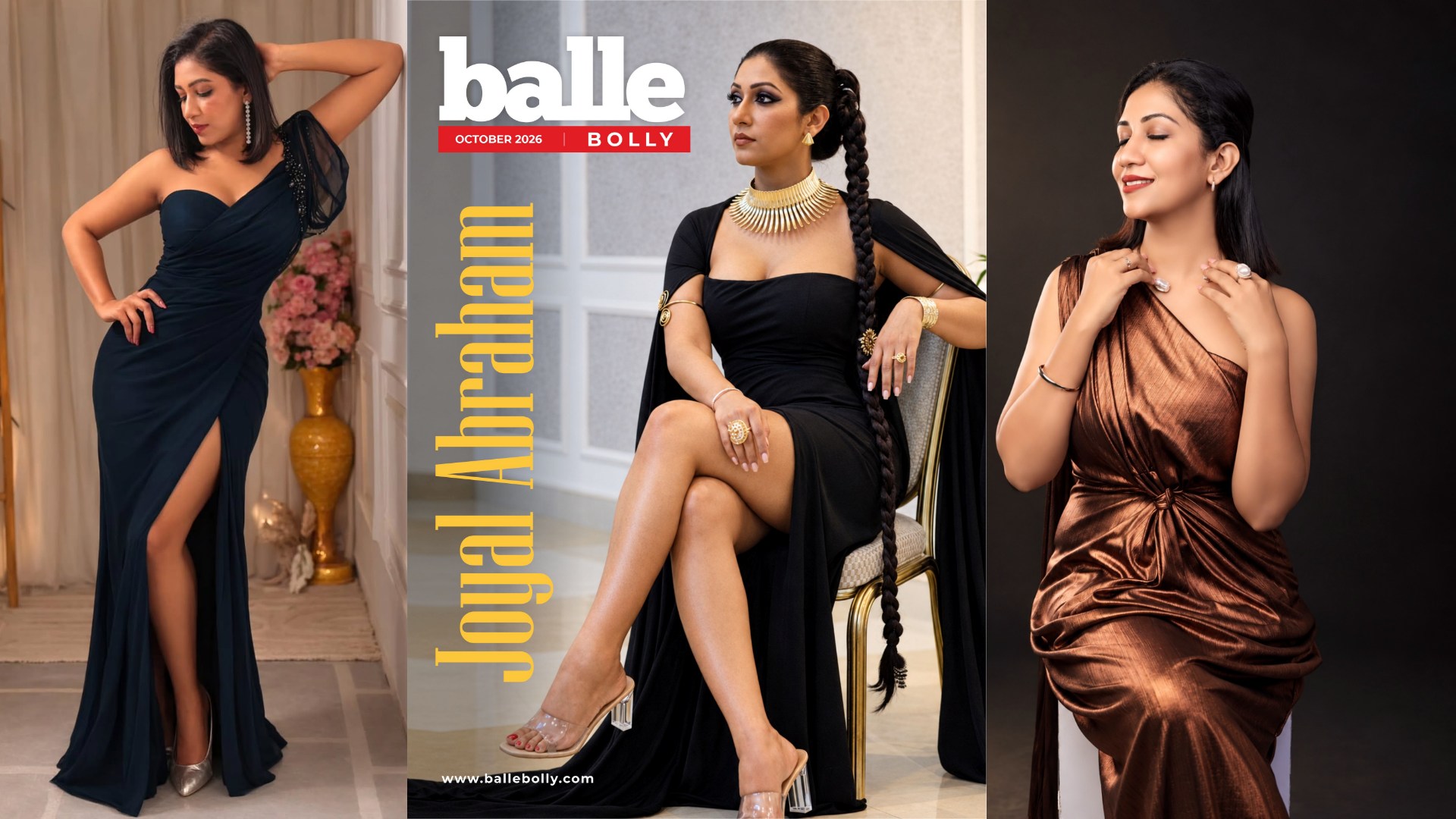
Related reads: Amisha Saini Interview: The QA Professional and Showstopper Who Styles Life Her Way | Joyal Abraham: Engineer, Therapist and Pageant Titleholder